The Basics of Probability in Casino Games
Probability is the cornerstone of all casino games, influencing everything from the design of the games to players’ strategies. In essence, probability measures the likelihood of a certain outcome occurring. For instance, when playing roulette, the odds of hitting a specific number are 1 in 37 in European roulette, which highlights how the house edge is built into the game. Players can also explore options like briscorentals.co.uk to gain insights on understanding these probabilities, allowing them to make informed decisions and develop strategies that maximize their chances of winning.
The concept of probability extends beyond just understanding the odds of individual games; it also encompasses the distribution of outcomes over time. For example, in games like blackjack, the more players that engage in a game, the more complex the probability calculations become due to the interactions between players’ hands. This complexity can influence betting strategies and ultimately affect the overall outcome of the game.
Additionally, the mathematics of probability does not stand alone; it intertwines with the psychology of players. Gamblers often fall prey to cognitive biases that skew their understanding of probability. For instance, the gambler’s fallacy leads players to believe that past outcomes affect future results, which is misleading in purely random games. Thus, a foundational grasp of probability can aid players not only in making better decisions in the moment but also in reducing the impact of misleading psychological tendencies.
The House Edge: Casino’s Secret Advantage
The house edge is a critical mathematical principle that ensures casinos remain profitable over time. This edge represents the percentage of each bet that the casino expects to keep in the long term. For example, in a standard game of roulette, the house edge typically hovers around 2.7% for European roulette or 5.26% for American roulette, largely due to the additional zero on the American wheel. This seemingly small percentage can translate into significant profit for the casino as the number of bets increases.
Understanding the house edge can greatly influence a player’s choices. It serves as a reminder that while luck may play a role in the short term, statistical outcomes dominate over a longer series of games. In games like baccarat, where the house edge can be as low as 1.06%, players may gravitate towards these options, believing they have a better chance of success. This knowledge can empower players to select games wisely, optimizing their playing experiences.

The house edge also plays a vital role in the design of promotional offers and loyalty programs. Many casinos utilize the house edge to develop bonuses that might appear attractive at first glance but often contain intricate mathematical rules making them less favorable in reality. For instance, a casino might offer a 100% match bonus, but the terms may include high wagering requirements that players must meet before withdrawing any winnings. Understanding the math behind these offers can help players navigate the world of casino promotions more effectively.
Game Variance: Understanding Risk and Reward
Game variance, also known as volatility, refers to the degree of risk associated with a particular casino game. High-variance games, like certain slots, can yield substantial payouts, but they come with the risk of long losing streaks. Conversely, low-variance games offer more frequent, smaller wins, providing a steadier, though less lucrative, return on investment. Recognizing the variance of a game is crucial for players, as it helps in managing bankroll and expectations.
For instance, in a high-variance slot game, a player may experience numerous spins without a win, which can be challenging psychologically. However, the potential for a significant payout exists, making such games appealing to risk-takers. On the other hand, players who prefer a consistent gaming experience may lean towards low-variance table games like blackjack or baccarat, where wins, albeit smaller, are more frequent and predictable.
The understanding of variance extends to strategic betting as well. Players can implement strategies such as adjusting their bet sizes based on the type of game variance. For high-variance games, a player might start with smaller bets to endure potential losing streaks, only increasing their stake when they hit a winning streak. This strategic approach can significantly enhance a player’s overall gaming experience, aligning their play style with their comfort level concerning risk and reward.
The Role of Random Number Generators
Random Number Generators (RNGs) are pivotal in ensuring fairness and randomness in casino games, especially online. RNG technology generates outcomes that are unpredictable and unbiased, crucial for games like slots, poker, and roulette. The integrity of RNGs is paramount, as even minor lapses could undermine the trust players place in the games, thereby affecting the casino’s reputation and profitability.
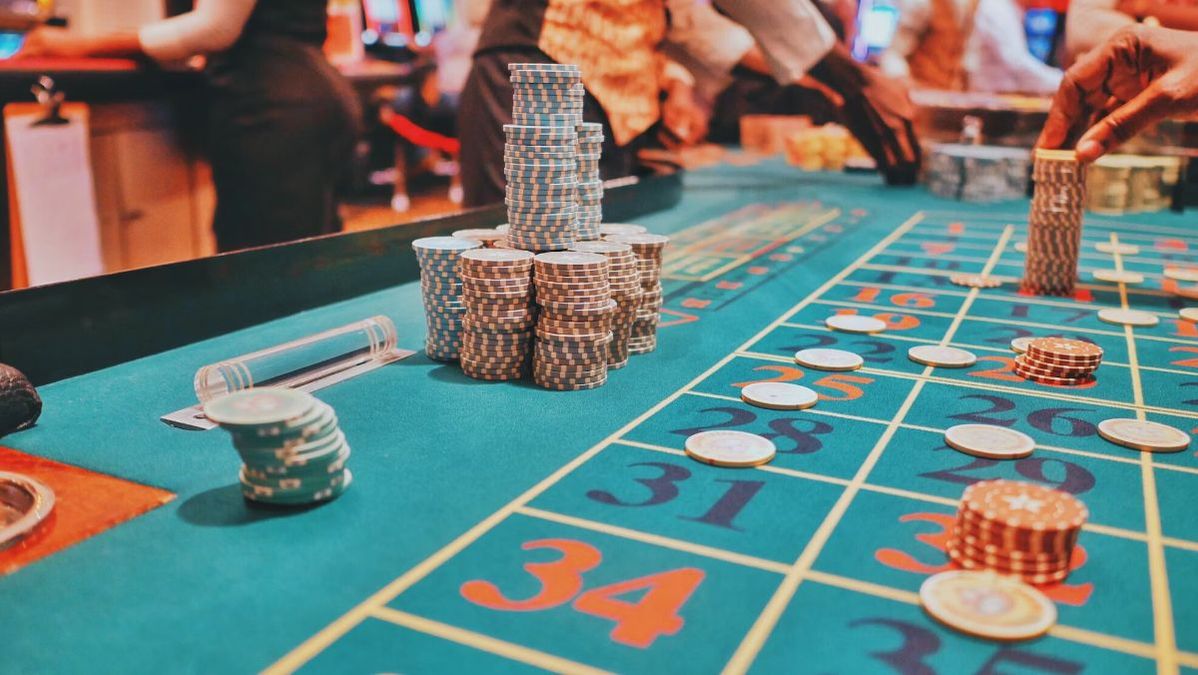
In the world of online gaming, the efficacy of RNGs is validated through rigorous testing by independent auditing companies. These organizations ensure that the algorithms governing games are genuinely random and adhere to established mathematical principles. By guaranteeing that the outcomes are not influenced by previous results or external factors, casinos can reassure players of the fairness and credibility of their games.
Your understanding of RNG mechanics can also influence how you approach online gambling. By recognizing that outcomes are entirely random, players can avoid common misconceptions such as streaks or patterns influencing future results. This awareness can lead to healthier gambling habits and informed betting decisions, ultimately contributing to a more enjoyable experience at virtual casinos.
Your Go-To Resource for Casino Math Insights
As you delve into the mathematical intricacies of casino games, having access to reliable resources can vastly enhance your knowledge and strategy. Websites dedicated to gambling education offer a wealth of information on probability, house edges, and game variance. These resources are invaluable for both novice and seasoned players looking to sharpen their understanding and improve their gaming strategies.
Such platforms often feature expert analyses, tutorials, and the latest trends in gambling mathematics. Whether you’re seeking insights into the best games to play or strategies to avoid common pitfalls, these websites serve as comprehensive guides. They empower players with the knowledge to navigate the complexities of casino gaming and make informed decisions that align with their goals.
In conclusion, understanding the hidden mathematics of casino games enables players to enhance their gaming experience significantly. With a solid foundation in probability, the house edge, game variance, and the mechanics of RNGs, you’ll be better equipped to approach casino gaming with confidence. This understanding not only increases your enjoyment but can also improve your chances of success in the long run.